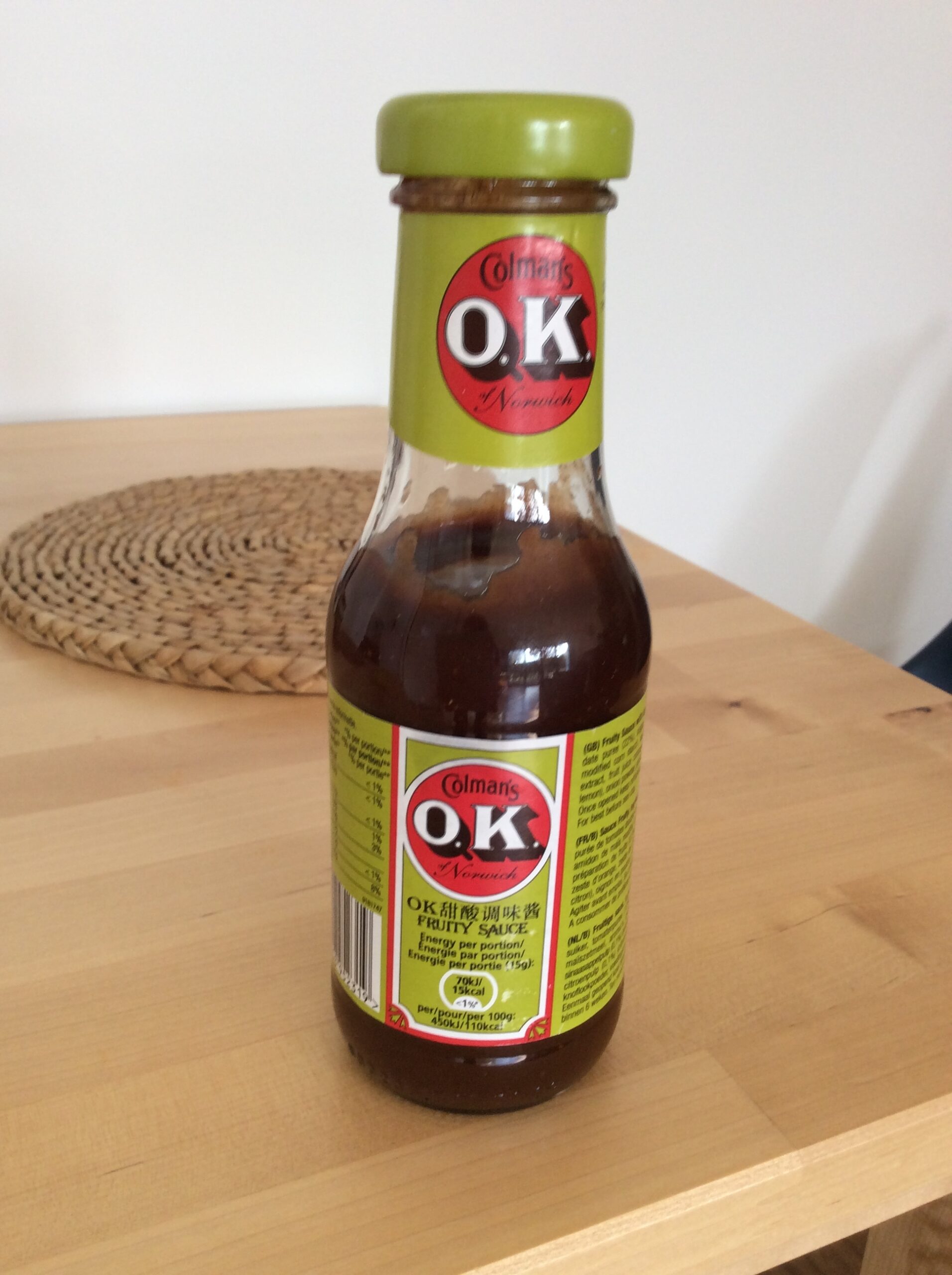
What is ok sauce and why it matters
Ok sauce is a distinctive condiment that has quietly earned a loyal following among food enthusiasts. Known for its complex balance of sweet, tangy and slightly savoury notes, it sits somewhere between a fruit-based sauce and a savoury glaze. While not as universally recognised as ketchup or brown sauce, ok sauce has carved out a niche thanks to its versatility and depth of flavour.
In the United Kingdom, interest in ok sauce has grown steadily, particularly among those exploring global cuisines at home. Its adaptability makes it suitable for both traditional and modern recipes, allowing cooks to experiment without straying too far from familiar tastes. Whether used as a marinade, dipping sauce or cooking base, it offers something refreshingly different.
The origins and cultural significance of ok sauce
The origins of ok sauce are somewhat layered, drawing influence from Asian culinary traditions, particularly Chinese cooking. It is often compared to plum sauce due to its fruity base, yet it incorporates a more nuanced blend of ingredients that may include vinegar, sugar and spices. This fusion of flavours reflects the historical exchange between Eastern and Western cuisines.
In Britain, sauces inspired by Asian cooking have long been embraced, especially through takeaway culture and home cooking adaptations. Ok sauce fits neatly into this tradition, offering a familiar yet intriguing alternative. Its cultural significance lies in its ability to bridge cuisines, making it a staple for those who enjoy experimenting with international flavours in a British kitchen.
Understanding the flavour profile of ok sauce
One of the defining characteristics of ok sauce is its layered taste. At first, the sweetness is noticeable, often derived from fruits such as plums or apricots. This is quickly followed by a gentle tanginess, usually from vinegar or citrus elements, which cuts through the sweetness and adds balance.
The savoury undertones, sometimes achieved through spices or light seasoning, give ok sauce its versatility. It can complement meats, vegetables and even snacks without overpowering them. This balanced profile is precisely why it works so well across a wide range of dishes, from stir-fries to grilled foods.
Common ingredients found in ok sauce

Although recipes may vary, most versions of ok sauce share a core set of ingredients that define its identity. These components work together to create its signature taste and texture.
| Ingredient | Role in flavour and texture |
| Fruit base | Provides sweetness and body |
| Vinegar | Adds tanginess and preserves the sauce |
| Sugar | Enhances sweetness and balance |
| Spices | Introduces warmth and complexity |
| Thickening agent | Gives the sauce its smooth consistency |
These ingredients can be adjusted depending on personal preference or regional variation. Some recipes lean towards a sweeter profile, while others emphasise tanginess or spice. This flexibility is one of the reasons ok sauce remains popular among home cooks.
How ok sauce is used in British kitchens
In British households, ok sauce is increasingly used as a multipurpose condiment. It works particularly well as a glaze for roasted meats, adding a glossy finish and rich flavour. Chicken, pork and even lamb can benefit from a light coating before cooking.
It is also commonly used in stir-fry dishes, where it can replace or complement other sauces. Its fruity notes pair well with vegetables such as peppers, onions and carrots. Additionally, it can be served as a dipping sauce for appetisers, offering a more interesting alternative to standard options.
Cooking techniques that enhance ok sauce
To make the most of ok sauce, it is important to understand how it behaves during cooking. When heated, the sugars within the sauce caramelise slightly, deepening its flavour and creating a richer taste. This makes it ideal for grilling or roasting.
However, it is best added towards the end of cooking when used in high-heat methods such as stir-frying. This prevents the sauce from burning while still allowing it to coat the ingredients effectively. By adjusting when and how it is added, cooks can achieve the desired balance of flavour and texture.
Pairing ok sauce with different foods
Ok sauce pairs well with a wide variety of ingredients, making it a versatile addition to any kitchen. Its sweetness complements savoury dishes, while its tanginess prevents it from becoming overly rich.
For meats, it works particularly well with poultry and pork, enhancing their natural flavours without overpowering them. When paired with vegetables, it adds a touch of sweetness that can make even simple dishes more appealing. It can also be used with rice or noodles, providing a quick and flavourful meal option.
Health considerations and nutritional aspects
Like many condiments, ok sauce should be used in moderation. Its sugar content can be relatively high, depending on the recipe, so it is worth being mindful of portion sizes. However, it can still be part of a balanced diet when used sensibly.
Some homemade versions allow for greater control over ingredients, making it possible to reduce sugar or adjust flavours to suit dietary needs. By choosing quality ingredients and avoiding excessive use, ok sauce can be enjoyed without compromising health.
Making ok sauce at home
Creating ok sauce at home can be a rewarding experience, allowing for complete control over flavour and quality. A basic recipe typically involves simmering fruit, sugar and vinegar together until thickened, then adding spices to taste.
Homemade versions can be tailored to individual preferences, whether that means increasing the tanginess, reducing sweetness or experimenting with different spices. This flexibility makes it an appealing option for those who enjoy cooking from scratch and exploring new flavours.
The growing popularity of ok sauce in the UK
In recent years, ok sauce has gained attention among British food enthusiasts. As more people experiment with global cuisines, the demand for unique and versatile condiments has increased. Ok sauce fits perfectly into this trend, offering a fresh alternative to more traditional options.
Supermarkets and speciality shops have begun to stock a wider range of sauces inspired by international flavours, making ok sauce more accessible than ever. Its rise in popularity reflects a broader shift towards adventurous cooking and a willingness to explore new tastes.
Conclusion
Ok sauce is a versatile and flavourful condiment that deserves a place in modern British kitchens. Its unique balance of sweetness, tanginess and savoury notes makes it suitable for a wide range of dishes, from everyday meals to more elaborate creations. As interest in global flavours continues to grow, ok sauce stands out as a simple yet effective way to enhance cooking.
FAQs
What does ok sauce taste like
Ok sauce has a balanced flavour that combines sweetness from fruit, tanginess from vinegar and subtle savoury notes. This makes it suitable for both meat and vegetable dishes.
Is ok sauce similar to plum sauce
While ok sauce shares some similarities with plum sauce, it often has a more complex flavour profile with additional spices and a slightly different balance of sweetness and acidity.
Can ok sauce be used as a marinade
Yes, ok sauce works well as a marinade for meats such as chicken and pork. It helps to tenderise the meat while adding flavour during cooking.
Is ok sauce widely available in the UK
Ok sauce is becoming more widely available in the UK, particularly in supermarkets and shops that specialise in international foods.
Can I make ok sauce at home
Yes, making ok sauce at home is relatively straightforward and allows you to customise the flavour to suit your preferences.
You may also read: Differences between main dealers and independent specialists
